Great question! The terms cortex and medulla are used in anatomy to describe the outer and inner regions of organs — like the brain, kidneys, adrenal glands, lymph nodes, and more. 🧠 1. Brain ⚙️ 2. Kidney 💧 3. Adrenal Glands (sit above kidneys) 🦠 4. Lymph Nodes 📌 Summary Table Organ Cortex (Outer Part)Continue reading “Cortex and Medulla where are these located”
Category Archives: Uncategorized
Cholinergic Activity — What It Means
🧠 Cholinergic Activity — What It Means Cholinergic activity refers to any biological action or process that involves the neurotransmitter acetylcholine. 🧪 In Simple Terms: 📌 Where It Happens: ⚙️ Types of Cholinergic Activity: 💊 Examples of Cholinergic Drugs: 🧠 Functions of Cholinergic Activity: ❗️Too Much or Too Little:
HAPPY HORMONES
Here are 5 key hormones secreted in the brain that are associated with happiness, strength, love, smile, and peace: — 1. Dopamine – “The Reward Molecule” Function: Associated with pleasure, motivation, focus, and reward. Effect: Makes you feel happy, driven, and satisfied after achieving goals. Secreted in: Substantia nigra and ventral tegmental area (VTA) ofContinue reading “HAPPY HORMONES”
BODY FUNCTIONS
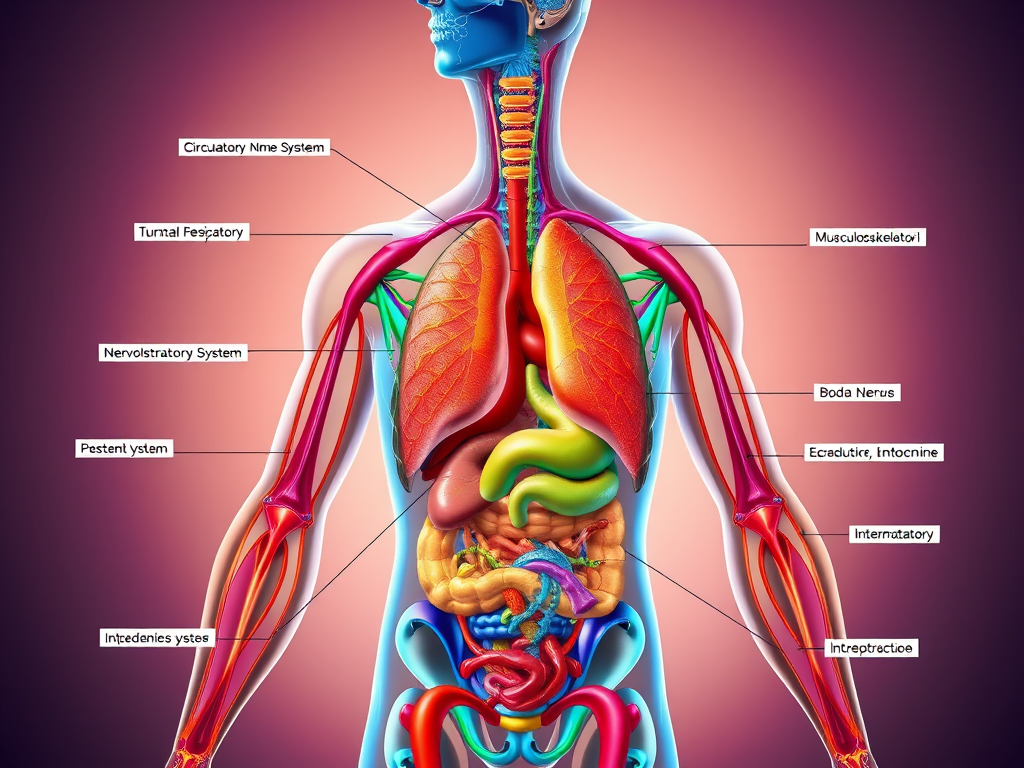
body functions ChatGPT said: The term “body functions” refers to the physiological activities and processes carried out by the body’s systems to maintain life and health. These functions are regulated by various organs and systems working together. Here’s a breakdown by major body systems: 1. Circulatory System 2. Respiratory System 3. Digestive System 4. NervousContinue reading “BODY FUNCTIONS”
Blood
Definition: Blood is a specialized body fluid that circulates through the cardiovascular system, delivering essential substances such as oxygen and nutrients to cells and removing waste products like carbon dioxide. It also plays vital roles in immune defense, regulation of body temperature, and maintaining homeostasis. Parts of Blood: Blood is composed of two main components:Continue reading “Blood”
Pituitary gland
Definition: The pituitary gland, often called the “master gland,” is a small, pea-sized endocrine gland located at the base of the brain, within a bony cavity called the sella turcica. It is connected to the hypothalamus by a thin stalk (the pituitary stalk or infundibulum) and plays a crucial role in regulating various bodily functionsContinue reading “Pituitary gland”
Intestine
Definition: The intestine is a long, tubular organ in the digestive system that extends from the stomach to the anus. It is responsible for the digestion and absorption of nutrients, as well as the elimination of waste. It is divided into two main sections: the small intestine and the large intestine. Parts of the Intestine:Continue reading “Intestine”
Stomach
Definition: The stomach is a muscular, hollow organ located in the upper abdomen, between the esophagus and the small intestine. It plays a vital role in the digestive system by breaking down food through mechanical movements and chemical secretions, preparing it for nutrient absorption in the small intestine. Parts of the Stomach: Functions of theContinue reading “Stomach”
Liver
Definition: The liver is a large, reddish-brown organ located in the upper right quadrant of the abdomen, beneath the diaphragm and above the stomach. It is the largest internal organ and gland in the human body and plays a crucial role in various metabolic, detoxification, and regulatory processes. Parts of the Liver: Functions of theContinue reading “Liver”
Pancreas
Pancreas is a vital organ that’s crucial for both digestion and blood sugar regulation. Location and Structure: The pancreas is located in the upper abdomen, behind the stomach and between the duodenum (first part of small intestine) and spleen. It’s about 6 inches long and has three main parts: Functions: These enzymes flow through theContinue reading “Pancreas”
 Human Body