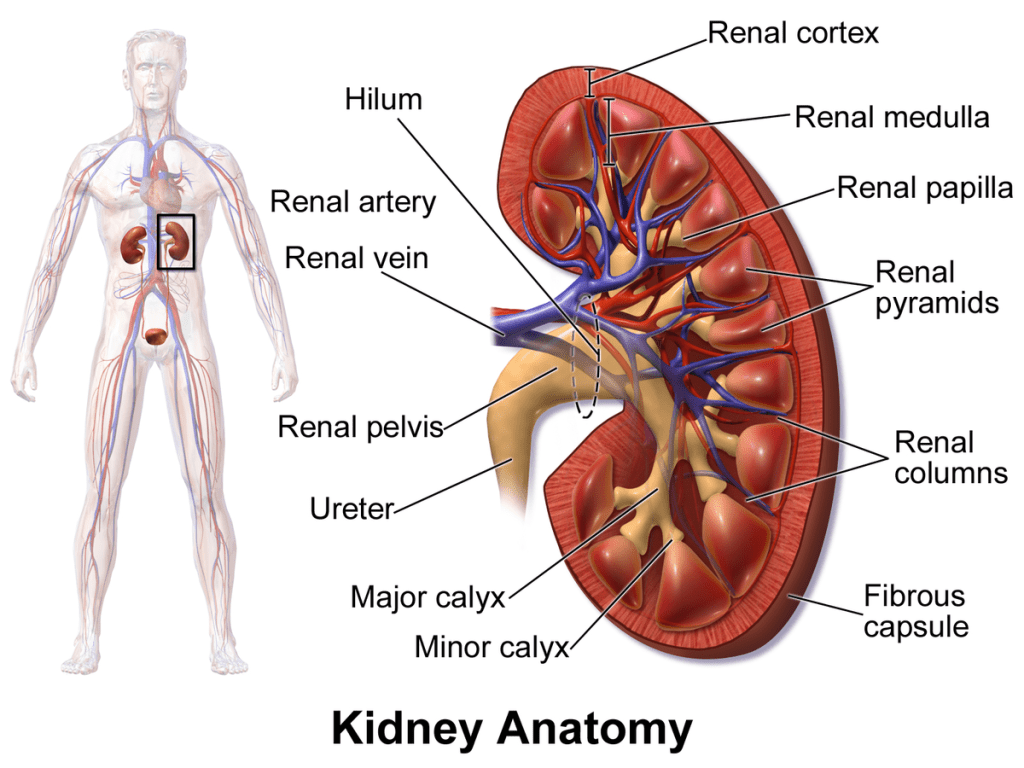
The kidney is a bean-shaped organ located in the posterior abdominal cavity. It is part of the urinary system and is primarily responsible for filtering blood to remove waste products and excess substances, maintaining fluid and electrolyte balance, and regulating blood pressure.
Parts of the Kidney:
Renal Cortex – The outer region of the kidney, responsible for filtering blood.
Renal Medulla – The inner region containing renal pyramids, which help in urine formation.
Renal Pelvis – A funnel-shaped cavity that collects urine and directs it to the ureter.
Ureter – A tube that carries urine from the kidney to the bladder.
Renal Artery – Supplies oxygen-rich blood to the kidney.
Renal Vein – Carries filtered blood away from the kidney.
Functions:
Filtration: Removes waste products, toxins, and excess ions from the bloodstream.
Reabsorption: Reclaims water, glucose, and essential ions back into the blood.
Secretion: Releases additional waste products into the urine.
Fat-soluble vitamins are a group of vitamins that are absorbed along with fats in the diet and can be stored in the body’s fatty tissue and liver.
The four fat-soluble vitamins are:
Vitamin A: Essential for vision, immune function, and skin health. Found in foods like liver, carrots, and leafy green vegetables.
Vitamin D: Important for bone health and immune function. It can be synthesized by the body when the skin is exposed to sunlight and is also found in fatty fish, fortified dairy products, and egg yolks.
Vitamin E: Acts as an antioxidant, protecting cells from damage. It’s found in nuts, seeds, vegetable oils, and green leafy vegetables.
Vitamin K: Necessary for blood clotting and bone health. Found in green leafy vegetables, fish, meat, and dairy products.These vitamins can accumulate in the body, so it’s important to consume them in appropriate amounts to avoid toxicity.
_________________________________________
Water-soluble vitamins are a group of vitamins that dissolve in water and are not stored in the body to any significant extent. Because they are excreted in urine, they need to be consumed regularly in the diet. The main water-soluble vitamins are:
Vitamin C (Ascorbic Acid): Important for the synthesis of collagen, absorption of iron, immune function, and as an antioxidant. Found in citrus fruits, strawberries, bell peppers, and broccoli.B
B2 (Riboflavin): Important for energy production and skin health. Found in dairy products, eggs, green leafy vegetables, and lean meats.
Vitamins:B1 (Thiamine): Essential for energy metabolism and nerve function. Found in whole grains, pork, and legumes.
B3 (Niacin): Helps with energy metabolism and DNA repair. Found in poultry, fish, whole grains, and peanuts.
B5 (Pantothenic Acid): Vital for the synthesis of coenzyme A and energy metabolism. Found in almost all foods, including meat, whole grains, and avocados.
B6 (Pyridoxine): Involved in amino acid metabolism, red blood cell production, and neurotransmitter synthesis. Found in fish, poultry, potatoes, and non-citrus fruits.
B7 (Biotin): Important for carbohydrate, fat, and protein metabolism. Found in eggs, almonds, spinach, and sweet potatoes.
B9 (Folate/Folic Acid): Crucial for DNA synthesis and cell division. Found in leafy green vegetables, legumes, nuts, and fortified grains.
B12 (Cobalamin): Necessary for red blood cell formation, neurological function, and DNA synthesis. Found in animal products like meat, dairy, and eggs.
Since water-soluble vitamins are not stored in the body, deficiencies can develop more quickly than with fat-soluble vitamins, but toxicity is less common due to their excretion through urine.
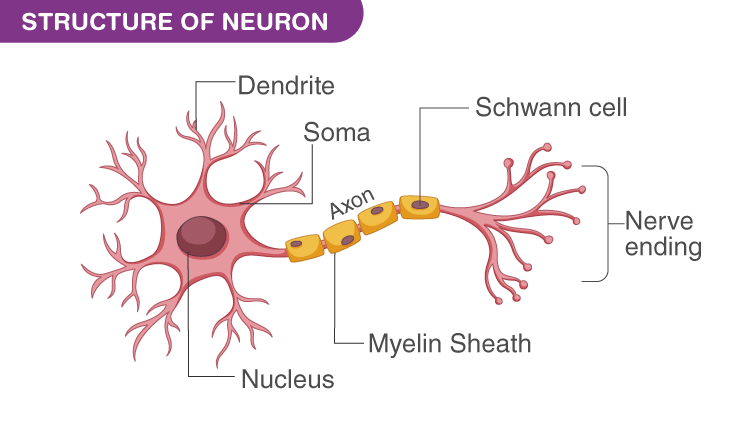
Neurons are nerve cells. Response to stimulus is the function of Neurons.
Neurons are nerve cells that send messages all over your body to allow you to do everything from breathing to talking, eating, walking, and thinking. Until recently, most neuroscientists (scientists who study the brain) thought we were born with all the neurons we were ever going to have.
Santiago Ramón y Cajal was a “peasant genius” who won a Nobel prize. IN 1906 THE Nobel prize in physiology or medicine was shared by two scientists with irreconcilable views of the brain.
Based on two contributions; Golgi’s stain and Cajal’s histological studies. The neuron doctrine was named and popularized by Heinrich Wilhelm Gottfried von Waldeyer-Hartz , who coined the name neuron to refer to the nerve cell.
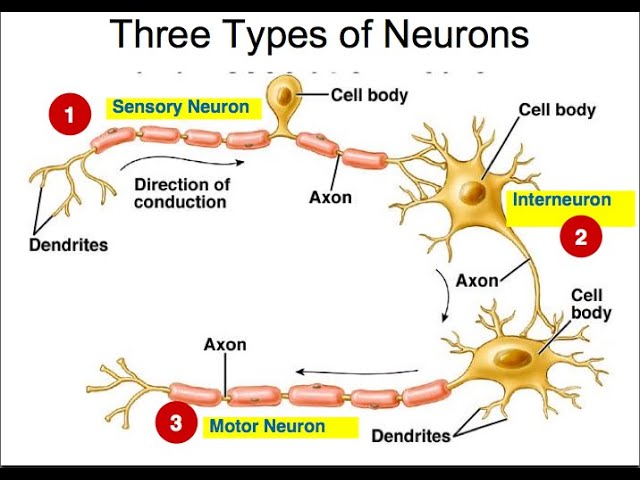
What are 3 types of neurons and their functions ?
The sensory neurons carry information from the sensory receptor cells present throughout the body to the brain.
The motor neurons transmit information from the brain to the muscles.
The interneurons transmit information between different neurons in the body.
NEUROENGINEERING:-
Neuroengineering comprises fundamental, experimental, computational, theoretical, and quantitative research aimed at understanding and augmenting brain function in health and disease across multiple spatiotemporal scales.
Neural engineering as a discipline can be broadly defined as the application of neuroscientific and engineering approaches to understand, repair, replace, enhance, or exploit the properties of neural systems, as well as to design solutions to problems associated with neurological limitations and dysfunction
Can I become neuroscientist without MBBS?
Neuroscientists are basic scientists who may or may not have a degree in medicine. Most of them, however, are doctorates in neuroscience. Once you earn your undergraduate degree, you’d move onto a master’s degree with advanced courses in neuroscience or the biological sciences.
Reproduction is the biological process by which living organisms produce new individuals of the same species. It is a fundamental characteristic of all life forms and is essential for the continuation of a species. Reproduction serves to pass on genetic information from one generation to the next, ensuring the survival and genetic diversity of a species.
————————————————————————————-
There are two primary modes of reproduction:
ASEXUAL REPRODUCTION SEXUAL REPRODUCTION
————————————————————————————–
Asexual Reproduction: In asexual reproduction, a single parent organism gives rise to one or more offspring without the involvement of gametes (sperm and egg cells) or the fusion of genetic material from two parents. Asexual reproduction results in offspring that are genetically identical or nearly identical to the parent.
Common methods of asexual reproduction include:-
Binary fission: The parent cell divides into two equal daughter cells, as seen in bacteria and some single-celled organisms.
Budding: A small outgrowth or bud forms on the parent organism and eventually detaches to become a new individual, as observed in yeast and some animals.
Fragmentation: An organism breaks into fragments, and each fragment can regenerate into a new individual. This is common in some plants and invertebrates.
Parthenogenesis: An unfertilized egg develops into an offspring, typically in certain insects, reptiles, and amphibians.
————————————————————————————–
Sexual Reproduction: Sexual reproduction involves the fusion of specialized reproductive cells called gametes, typically a sperm cell from a male and an egg cell from a female. This fusion creates a genetically unique offspring that inherits a combination of genetic material from both parents. Sexual reproduction contributes to genetic diversity within a species, which can be advantageous for adaptation and evolution. Sexual reproduction is common in most animals, many plants, and some fungi.
Reproduction is essential for the following reasons:-
Continuation of the Species: Reproduction ensures that a species persists over time by producing new generations of individuals.
Genetic Variation: Sexual reproduction introduces genetic diversity into populations, which can enhance the species’ ability to adapt to changing environments and increase its chances of survival.
Repair and Growth: In multicellular organisms, reproduction is necessary for the growth of the organism, tissue repair, and the replacement of damaged or dying cells.
Evolution: Reproduction, particularly sexual reproduction and the genetic diversity it generates, is a driving force in evolution. It allows for the accumulation of advantageous traits and the elimination of detrimental ones over time.
Different species employ various reproductive strategies and mechanisms to suit their ecological niches and survival strategies. Reproduction can range from simple and asexual in some organisms to complex and sexual in others, reflecting the incredible diversity of life on Earth.
——————————————————————–
Two types of Cell divisions involved in Sexual reproduction:-
Mitosis & Meiosis.
What is mitosis and meiosis?
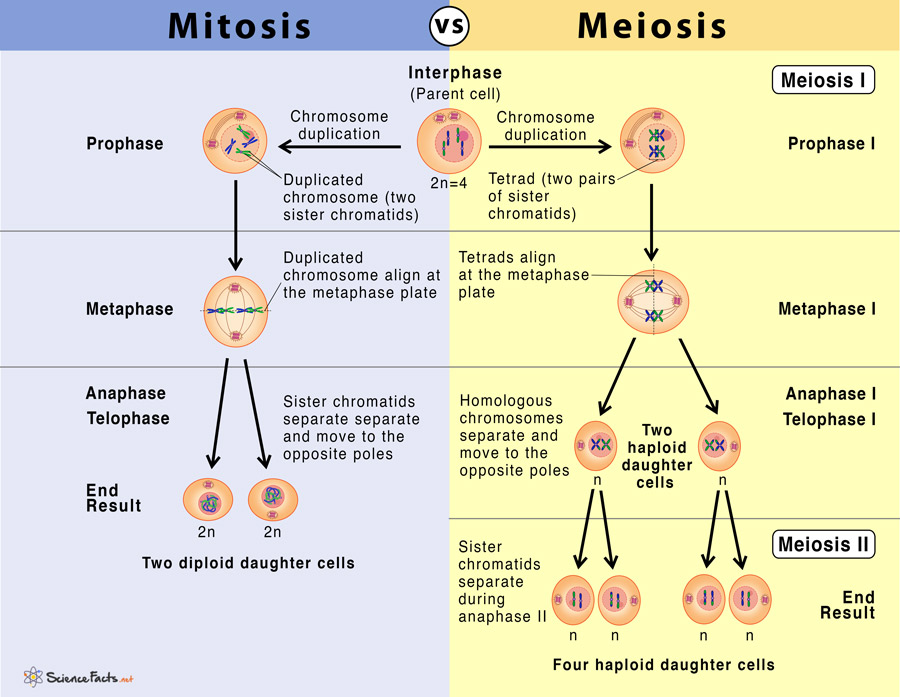
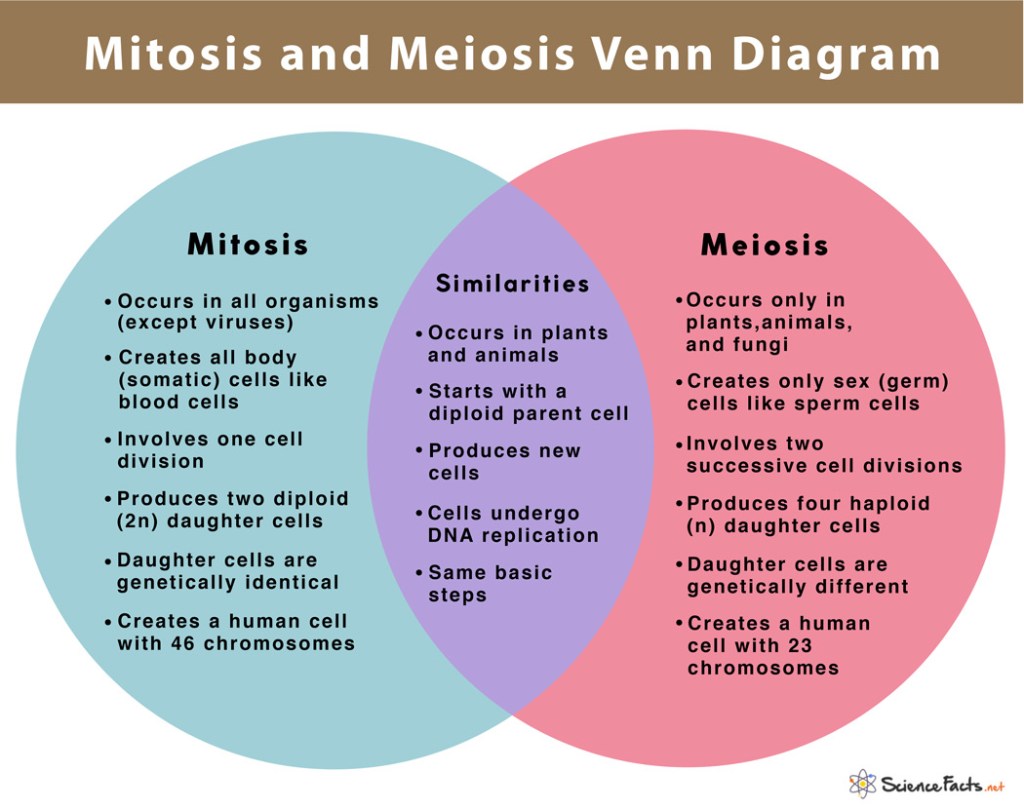
Mitosis and meiosis are two distinct processes of cell division, each serving specific purposes in the life cycles of organisms.
——————————————-
Mitosis
——————————————-
What is mitosis?
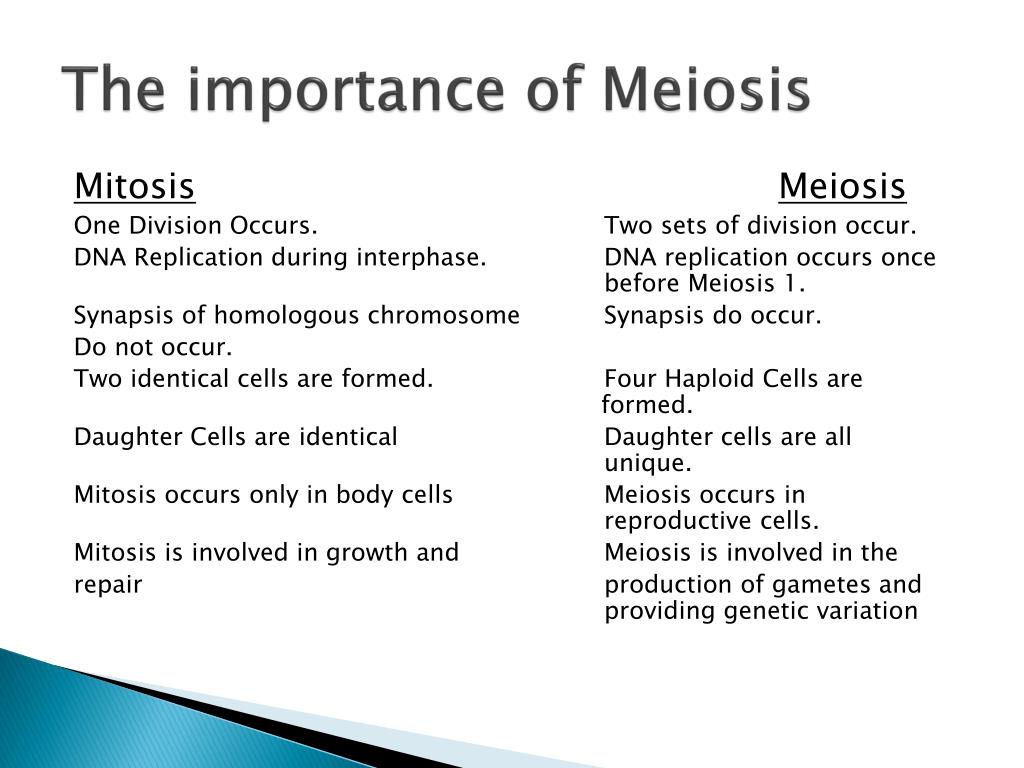
Mitosis is a type of cell division that occurs in somatic (body) cells of multicellular organisms. It is responsible for the growth, repair, and maintenance of tissues, as well as for asexual reproduction in some organisms. Mitosis results in the formation of two genetically identical daughter cells, each with the same number of chromosomes as the parent cell.
The process of mitosis consists of several distinct stages:
——————————————
Interphase: Before mitosis begins, the cell goes through a phase called interphase. This is the period when the cell carries out its normal functions and prepares for cell division. During interphase, the cell undergoes three subphases:
G1 (Gap 1): The cell grows, and various metabolic activities occur.
Prophase: Mitosis begins with prophase. During this stage:
Chromosomes condense and become visible as distinct, tightly coiled structures.
The nuclear envelope begins to break down, allowing the spindle fibers to interact with the chromosomes.
Microtubules called spindle fibers start to form and extend from the centrosomes, which are specialized regions near the cell’s nucleus.
Metaphase: During metaphase:
Chromosomes line up along the cell’s equator, known as the metaphase plate.
Each chromosome is attached to spindle fibers at its centromere.
Anaphase: In anaphase:
The sister chromatids (identical copies of a chromosome) are pulled apart by the shortening of the spindle fibers.
Each chromatid, now considered an individual chromosome, is drawn toward opposite poles of the cell.
Telophase: Telophase marks the near-end of mitosis:
Chromatids, now separated, reach the opposite poles and begin to de-condense back into long, thread-like structures.
The nuclear envelope starts to reform around each set of chromosomes, resulting in the formation of two distinct nuclei within the cell.
Cytokinesis: Often considered as a separate process from mitosis, cytokinesis is the division of the cytoplasm and other organelles between the two daughter cells. In animal cells, a contractile ring of actin filaments pinches the cell’s membrane, leading to the separation of the cell into two distinct daughter cells. In plant cells, a new cell wall is constructed down the middle.
S (Synthesis): DNA replication takes place, resulting in the duplication of each chromosome. By the end of this phase, the cell has twice the amount of DNA it initially had.
G2 (Gap 2): The cell continues to grow and prepare for mitosis.
After mitosis and cytokinesis are complete, each of the two daughter cells is genetically identical to the original parent cell and contains the same number of chromosomes. Mitosis ensures that cells maintain their chromosome number and genetic integrity, allowing for growth, tissue repair, and the replacement of damaged or dying cells in multicellular organisms.
—————————————————————–
Meiosis
—————————————————————–
What is meiosis?
Meiosis is a specialized type of cell division that occurs in sexually reproducing organisms, resulting in the formation of haploid gametes (sperm and egg cells in animals) or spores (in some plants and fungi). It is a crucial process in sexual reproduction because it reduces the chromosome number by half, ensuring that when gametes fuse during fertilization, the resulting zygote has the correct diploid chromosome number.
Meiosis involves two sequential divisions: meiosis I and meiosis II. Each of these divisions includes specific stages, similar to the stages in mitosis (another type of cell division), but with some key differences. Here’s an overview of meiosis:
Meiosis I: Reduction Division Meiosis I is the first division in meiosis and involves the following stages:
Prophase I: This is the longest and most complex stage of meiosis. During prophase I, homologous chromosomes (chromosomes with the same genes but potentially different alleles) pair up through a process called synapsis. This pairing is known as a tetrad. Crossing over occurs during prophase I, where sections of chromatids are exchanged between homologous chromosomes. This genetic recombination creates genetic diversity. At the end of prophase I, the nuclear envelope breaks down.
Metaphase I: The tetrads align at the cell’s equatorial plane (the metaphase plate), with each homologous chromosome attached to spindle fibers. The arrangement of chromosomes at this stage is random, contributing to genetic diversity.
Anaphase I: Homologous chromosomes are pulled apart and move to opposite poles of the cell. Unlike mitosis, sister chromatids remain attached at this stage.
Telophase I and Cytokinesis: The separated homologous chromosomes arrive at opposite poles of the cell, and the cell undergoes cytokinesis, splitting into two daughter cells. These daughter cells are haploid, meaning they have half the chromosome number of the original cell but still consist of sister chromatids.
Meiosis II: Equational Division Meiosis II is similar to mitosis and serves to separate the sister chromatids produced in meiosis I. It includes the following stages:
Prophase II: If a nuclear envelope formed during interkinesis (the brief resting phase between meiosis I and meiosis II), it breaks down again. Chromosomes condense, and spindle fibers form in each of the two haploid daughter cells from meiosis I.
Metaphase II: Individual chromosomes line up at the metaphase plate in both haploid daughter cells.
Anaphase II: Sister chromatids are finally separated and move to opposite poles of the cells.
Telophase II and Cytokinesis: A nuclear envelope forms around the separated chromatids in each haploid daughter cell. Cytokinesis occurs, resulting in the formation of a total of four haploid gametes or spores, each with a unique combination of genetic material due to the earlier crossing over events.
Meiosis plays a vital role in maintaining genetic diversity within a population, as it generates genetically distinct gametes or spores with unique combinations of alleles. When two gametes fuse during fertilization, the resulting zygote will have a diverse genetic makeup, contributing to the genetic variability seen in offspring.
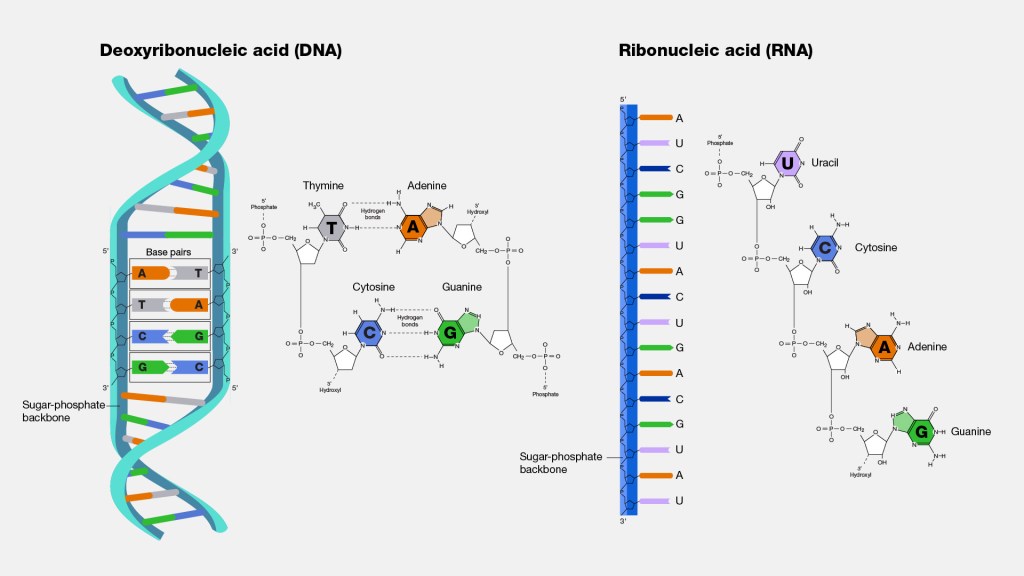
Ribonucleic acid (abbreviated RNA) is a nucleic acid present in all living cells that has structural similarities to DNA. Unlike DNA, however, RNA is most often single-stranded. An RNA molecule has a backbone made of alternating phosphate groups and the sugar ribose, rather than the deoxyribose found in DNA.
What is RNA and its function?
Function. The primary function of RNA is to create proteins via translation. RNA carries genetic information that is translated by ribosomes into various proteins necessary for cellular processes. mRNA, rRNA, and tRNA are the three main types of RNA involved in protein synthesis.
What is difference RNA and DNA?
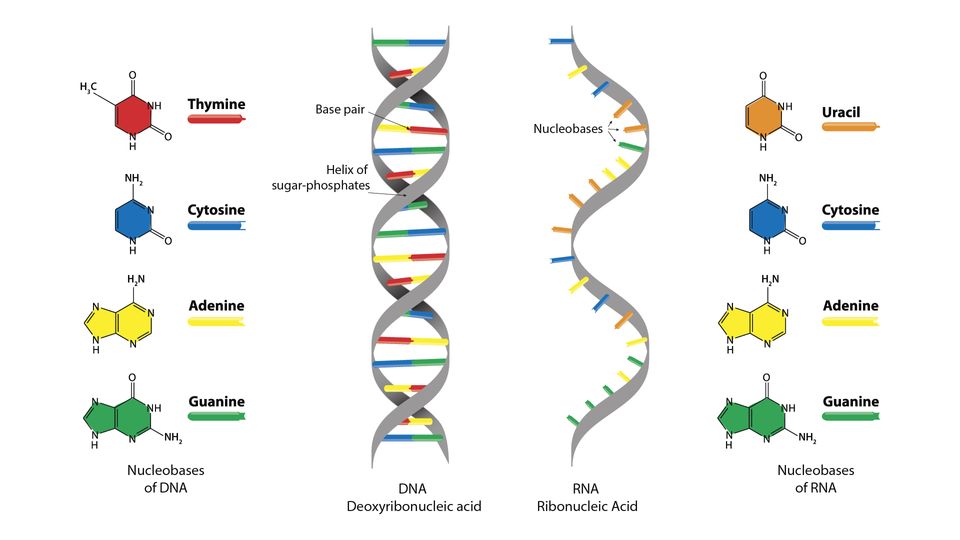
DNA is double-stranded, forming a double helix, while RNA is usually single-stranded. The sugar in DNA is deoxyribose, whereas RNA contains ribose. Furthermore, DNA uses the bases adenine, thymine, cytosine, and guanine, while RNA uses adenine, uracil, cytosine, and guanine.
Facilitate the translation of DNA into proteins
Functions as an adapter molecule in protein synthesis
Serves as a messenger between the DNA and the ribosomes.
They are the carrier of genetic information in all living cells
Promotes the ribosomes to choose the right amino acid which is required in building up of new proteins in the body.
RNA Types
There are various types of RNA, out which most well-known and most commonly studied in the human body are :
tRNA – Transfer RNA
The transfer RNA is held responsible for choosing the correct protein or the amino acids required by the body in-turn helping the ribosomes. It is located at the endpoints of each amino acid. This is also called as soluble RNA and it forms a link between the messenger RNA and the amino acid.
rRNA-Ribosomal RNA
The rRNA is the component of the ribosome and are located within the in the cytoplasm of a cell, where ribosomes are found. In all living cells, the ribosomal RNA plays a fundamental role in the synthesis and translation of mRNA into proteins. The rRNA is mainly composed of cellular RNA and are the most predominant RNA within the cells of all living beings.
mRNA – Messenger RNA.
This type of RNA functions by transferring the genetic material into the ribosomes and pass the instructions about the type of proteins, required by the body cells. Based on the functions, these types of RNA is called the messenger RNA. Therefore, the mRNA plays a vital role in the process of transcription or during the protein synthesis process.
Protein Synthesis – Central Dogma
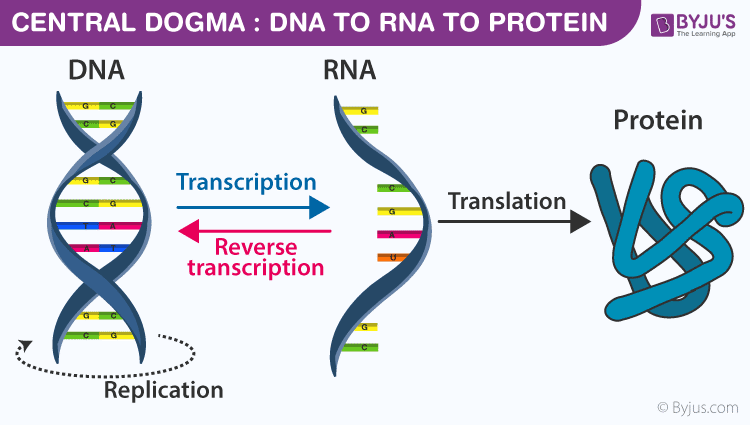
The central dogma describes how the DNA makes its own copies by DNA replication, then codes for the RNA by means of a transcription and RNA codes for the proteins by translation.
For the creation of a new generation, the genetic information stored in the DNA has to be transferred from one generation to another. The process begins with the replication of DNA followed by transcription and translation. Let us have a discussion on translation viz. protein synthesis in cell and the structure of tRNA.
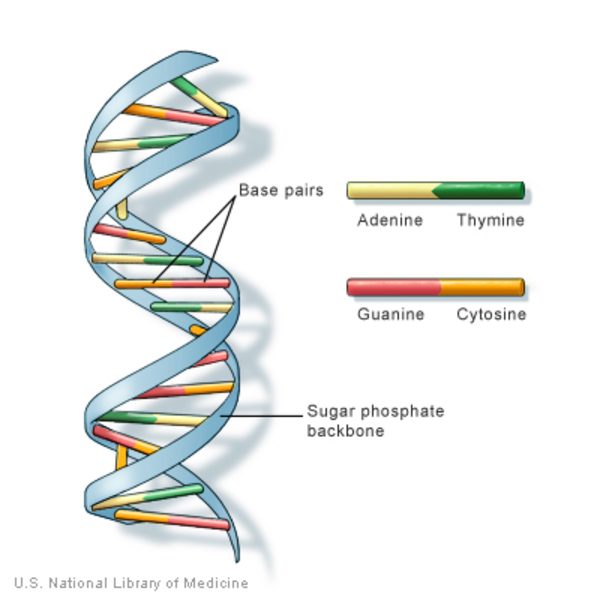
Deoxyribonucleic acid (abbreviated DNA) is the molecule that carries genetic information for the development and functioning of an organism. DNA is made of two linked strands that wind around each other to resemble a twisted ladder — a shape known as a double helix.
Deoxyribonucleic acid is a polymer composed of two polynucleotide chains that coil around each other to form a double helix. The polymer carries genetic instructions for the development, functioning, growth and reproduction of all known organisms and many viruses. DNA and ribonucleic acid are nucleic acids.
Why is DNA called nucleic acid?ChatGPT
DNA (deoxyribonucleic acid) is called a nucleic acid because it is a type of biomolecule that is primarily found in the nucleus of eukaryotic cells (the membrane-bound compartment that houses the cell’s genetic material) and in the nucleoid region of prokaryotic cells (the region where genetic material is found). The name “nucleic acid” reflects its association with the cell’s nucleus.
Nucleic acids, including DNA and RNA (ribonucleic acid), are essential for the storage and transmission of genetic information in living organisms. DNA, in particular, carries the genetic code that determines an organism’s traits and functions as a template for the synthesis of RNA, which, in turn, is used to produce proteins.
The term “nucleic” in nucleic acids comes from the Latin word “nucleus,” which means “kernel” or “core,” referring to the central role of these molecules in storing and conveying genetic information. So, the name “nucleic acid” is a historical reference to the location and function of these molecules within the cell.
What is called in DNA?
DNA is a linear molecule composed of four types of smaller chemical molecules called nucleotide bases: adenine (A), cytosine (C), guanine (G), and thymine (T). The order of these bases is called the DNA sequence.
DNA has nucleotides. What are they? Do they have colors? ChatGPT
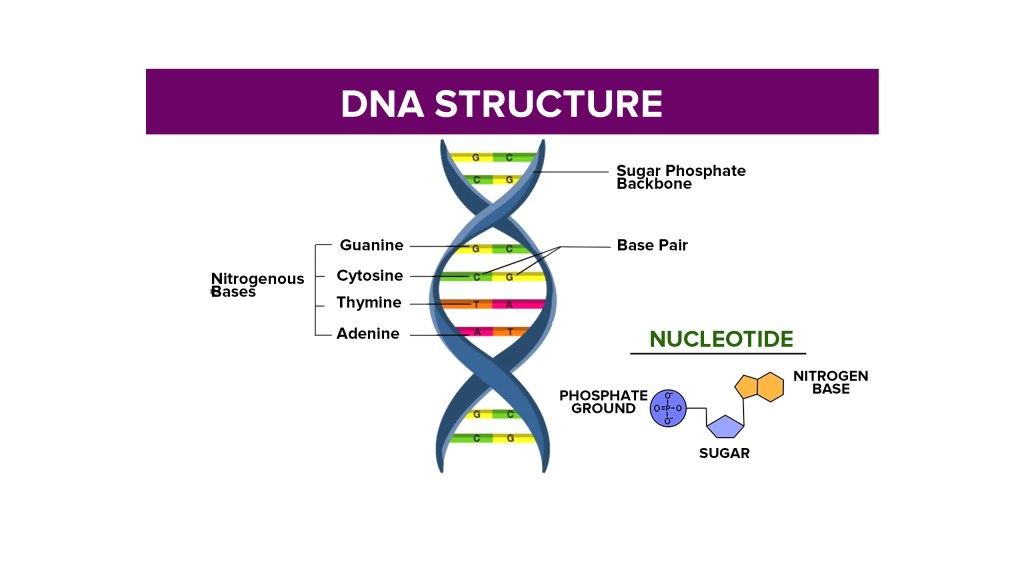
DNA is composed of nucleotides, which are the building blocks of the DNA molecule. Each nucleotide consists of three main components:
Sugar: DNA nucleotides contain a deoxyribose sugar molecule. This sugar is a five-carbon ring structure.
Phosphate Group: Attached to the sugar molecule is a phosphate group, which is a phosphorus atom bonded to four oxygen atoms. This phosphate group forms a backbone for the DNA strand.
Nitrogenous Base: The third component of a nucleotide is a nitrogenous base. There are four types of nitrogenous bases found in DNA:
Adenine (A)
Thymine (T)
Cytosine (C)
Guanine (G)
These nitrogenous bases are crucial because they form complementary base pairs in the DNA double helix. Adenine always pairs with thymine, and cytosine always pairs with guanine. This base-pairing is what allows DNA to store and transmit genetic information.
Regarding colors, in a laboratory setting, DNA molecules themselves do not have inherent colors. However, scientists often use various techniques to visualize and study DNA, and these techniques may involve using dyes or fluorescent markers that can give DNA a color. For example, in gel electrophoresis, a common technique for separating DNA fragments based on size, DNA molecules are often stained with a dye like ethidium bromide, which emits fluorescence under ultraviolet light, giving the DNA a reddish-orange appearance when viewed under UV light.
In DNA sequencing, different fluorescent dyes are used to label the four different bases (A, T, C, and G), and each base is associated with a specific color. This allows scientists to determine the sequence of DNA bases in a given strand by analyzing the color pattern produced during sequencing.
So, while DNA itself doesn’t have inherent colors, laboratory techniques can make use of colors to visualize and study DNA molecules.
What is DNA and its types?
There are two types of DNA in the cell – autosomal DNA and mitochondrial DNA.
Autosomal DNA (also called nuclear DNA) is packaged into 22 paired chromosomes. In each pair of autosomes, one was inherited from the mother and one was inherited from the father.
What is autosomal DNA?
Autosomal DNA refers to the DNA found in the autosomes, which are the non-sex chromosomes in an organism’s genome. In humans and most other animals, autosomal DNA encompasses the 22 pairs of chromosomes that are not the sex chromosomes (X and Y in humans). These autosomes carry genetic information that is not directly related to an individual’s sex or gender.
Here are some key characteristics and functions of autosomal DNA:
Two Copies: Humans, like most diploid organisms, inherit two copies of each autosome, one from each parent. These pairs of chromosomes are homologous, meaning they contain genes for the same traits in the same order, although the specific alleles (gene variants) may differ.
Variation and Traits: Autosomal DNA contains the genetic information that determines many of an individual’s traits, including physical characteristics, susceptibility to certain diseases, and more. The specific alleles present on an individual’s autosomal DNA influence their phenotype (observable characteristics).
Mendelian Inheritance: Most inheritance patterns of traits controlled by autosomal genes follow Mendelian principles. For example, traits like hair color, eye color, and blood type are determined by autosomal genes, and the inheritance of these traits can be predicted based on Mendelian genetics.
Genetic Testing: Autosomal DNA is the primary focus of many genetic tests, including those used for ancestry testing, paternity testing, and assessing the risk of various genetic disorders. Testing autosomal DNA allows for the examination of a broad range of genetic information.
Recombination: During meiosis (the process of cell division that produces gametes, or reproductive cells), the autosomes undergo genetic recombination. This shuffles genetic material between homologous chromosomes, creating genetic diversity in offspring. Recombination is one reason why siblings can have different combinations of alleles from their parents.
Genetic Disorders: Mutations in autosomal genes can lead to genetic disorders. Many genetic diseases, such as cystic fibrosis, sickle cell anemia, and Huntington’s disease, result from mutations in autosomal genes.
In summary, autosomal DNA is the genetic material found in the non-sex chromosomes of an organism’s genome, and it plays a crucial role in determining a wide range of traits and characteristics. The study of autosomal DNA is fundamental to genetics and genetic testing.
What is mitochondrial DNA?
Mitochondrial DNA (mtDNA) is a type of genetic material found in the mitochondria, which are small structures known as organelles found in the cytoplasm of eukaryotic cells. Unlike the nuclear DNA found in the cell’s nucleus, which contains the majority of an organism’s genetic information, mitochondrial DNA is a separate and distinct genome specific to the mitochondria.
Here are some key characteristics and functions of mitochondrial DNA:
Circular DNA: Mitochondrial DNA is typically a circular molecule, whereas nuclear DNA is arranged in linear chromosomes. This circular structure is similar to the DNA found in bacteria and is thought to be a relic of an ancient symbiotic relationship between an ancestral cell and a bacterium, which eventually evolved into the mitochondria.
Independently Replicating: Mitochondrial DNA can replicate independently of the cell’s nuclear DNA. This means that mitochondria can divide and reproduce themselves within the cell. This process is important for maintaining the cell’s energy-producing capacity since mitochondria are the primary sites for cellular respiration, where energy (in the form of adenosine triphosphate or ATP) is generated.
Maternal Inheritance: One unique feature of mitochondrial DNA is that it is typically inherited exclusively from the mother. When an egg cell is fertilized by a sperm, the mitochondria in the sperm are typically excluded from the resulting zygote, while the mitochondria from the egg are retained. As a result, the mitochondrial DNA in an individual is usually passed down from the maternal lineage.
Limited Genetic Information: Mitochondrial DNA contains a relatively small amount of genetic information compared to nuclear DNA. It encodes only a few dozen genes, many of which are essential for the function of the mitochondria and cellular respiration. However, the majority of an organism’s genetic information is contained in the nuclear DNA.
Evolutionary Studies: Mitochondrial DNA has been widely used in evolutionary and genetic studies. Because it evolves relatively rapidly and is inherited maternally, it can provide insights into the evolutionary history of populations and species. Researchers use mitochondrial DNA sequences to trace maternal lineages and study the genetic diversity of populations.
In summary, mitochondrial DNA is a unique and important component of cells, responsible for the energy production within mitochondria and providing valuable insights into genetics, evolution, and ancestry through its distinct inheritance patterns and evolutionary characteristics.
What is DNA made of amino acids?
1 Answer. False. The building blocks of DNA molecules are nucleotides. Amino acids are the building blocks of proteins.
Who discovered DNA?
Johann Friedrich Miescher
The molecule now known as DNA was first identified in the 1860s by a Swiss chemist called Johann Friedrich Miescher. Johann set out to research the key components of white blood cells, part of our body’s immune system. The main source of these cells was pus-coated bandages collected from a nearby medical clinic.
What did the duo actually discover? Many people believe that American biologist James Watson and English physicist Francis Crick discovered DNA in the 1950s. In reality, this is not the case. Rather, DNA was first identified in the late 1860s by Swiss chemist Friedrich Miescher.
The oldest hominin DNA recovered comes from a Neanderthal around 400,000 years old (Meyer et al. 2016), near the beginnings of the Neanderthal species.
What is DNA made of?
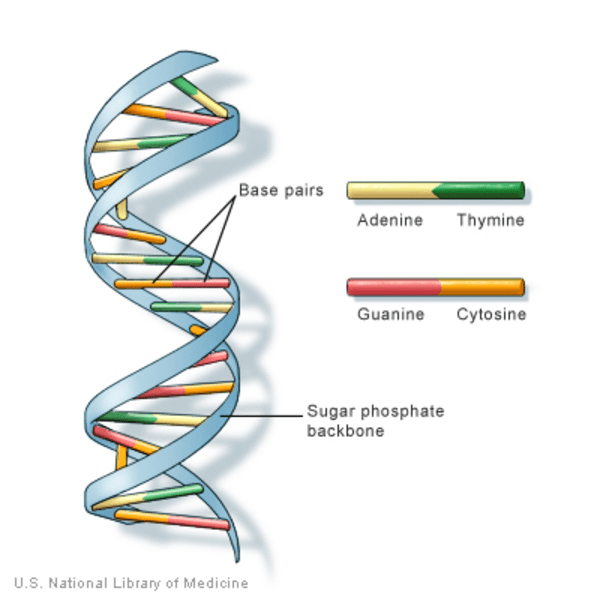
DNA is made of chemical building blocks called nucleotides. These building blocks are made of three parts: a phosphate group, a sugar group and one of four types of nitrogen bases. To form a strand of DNA, nucleotides are linked into chains, with the phosphate and sugar groups alternating.
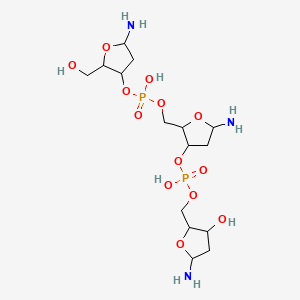
deoxyribose sugar:-DNA has deoxyribose sugar. It is called so due to the absence of one oxygen in the second carbon (as seen in the image). RNA is made of ribose sugar.
How many atoms are in DNA?
The basic elements that compose DNA are five atoms: carbon, nitrogen, oxygen, phosphorous, and hydrogen. A nucleoside is the combination of these atoms into two structures, a five-carbon sugar molecule called deoxyribose, which is responsible for the name of DNA, and one of four nitrogen bases.
leukocytes are the only blood cells that have a nucleus and, therefore, the only ones that actually contain DNA. So, extracting DNA from blood means analysing the DNA contained in leukocytes specifically.
Where is DNA located?
The cell nucleus.
Most DNA is located in the cell nucleus (where it is called nuclear DNA), but a small amount of DNA can also be found in the mitochondria (where it is called mitochondrial DNA or mtDNA).
How DNA is formed?
Each molecule of DNA is a double helix formed from two complementary strands of nucleotides held together by hydrogen bonds between G-C and A-T base pairs. Duplication of the genetic information occurs by the use of one DNA strand as a template for formation of a complementary strand.
What is the function of DNA?
The function of DNA is to store all of the genetic information that an organism needs to develop, function, and reproduce. Essentially, it is the biological instruction manual found in each of your cells. The instructions in DNA are written in a simple alphabet that has just four letters—A, T, C, and G.
DNA now has three distinct functions—genetics, immunological, and structural—that are widely disparate and variously dependent on the sugar phosphate backbone and the bases.
What is the function of DNA?
The function of DNA (deoxyribonucleic acid) is to store, transmit, and express genetic information. DNA serves as the hereditary material in all living organisms, and its primary functions are as follows:
Storage of Genetic Information: DNA carries the genetic instructions needed for the growth, development, functioning, and reproduction of an organism. These instructions are encoded in the sequence of nucleotide bases (adenine, thymine, cytosine, and guanine) along the DNA molecule.
Transmission of Genetic Information: DNA is passed from one generation to the next through a process known as DNA replication. During cell division, such as mitosis and meiosis, DNA is duplicated so that each daughter cell receives a complete set of genetic information. In sexual reproduction, DNA from two parents is combined to create offspring with a unique combination of genetic material.
Expression of Genetic Information: DNA serves as a template for the synthesis of RNA (ribonucleic acid) molecules through a process called transcription. RNA molecules, specifically messenger RNA (mRNA), carry the genetic information from the DNA to the ribosomes, where it is used to direct the synthesis of proteins. This process is known as translation. Proteins are the workhorses of the cell and perform a wide range of functions, from catalyzing chemical reactions to providing structural support and carrying out cellular processes.
Inheritance of Traits: DNA is responsible for the inheritance of traits from one generation to the next. The genetic information encoded in DNA determines an individual’s characteristics, including physical traits, biochemical processes, and susceptibility to certain diseases. The combination of DNA from both parents contributes to the unique genetic makeup of each individual.
Genetic Diversity: DNA contributes to genetic diversity within populations and among species. Mutations, which are changes in the DNA sequence, can occur naturally and lead to genetic variation. This variation is essential for adaptation to changing environments and for the evolution of species over time.
In summary, DNA is the molecule of heredity and plays a central role in the biology of living organisms. Its functions encompass the storage, transmission, and expression of genetic information, ultimately determining the characteristics and traits of individuals and contributing to the diversity of life on Earth.
What are DNA examples?
DNA outside the nucleus is referred to as extranuclear DNA. Examples of extranuclear DNAs are mitochondrial DNA (mtDNA) and chloroplast DNA (cpDNA). The presence of nucleic acids in these organelles enables them to become semi-autonomous, self-reproducing organelles.
What is the chemical formula for DNA?
Deoxyribonucleic acid | C15H31N3O13P2 |
Is DNA A sperm or egg?
The egg cell provides genetic information from the mother, and the sperm cell provides genetic information from the father. When the genetic information from the parents combines together during fertilization, a genetic blueprint is created in the nucleus of the fertilized egg that is the “DNA blueprint”.
Is DNA made by plants?
Plants have DNA (deoxyribonucleic acid) since they are living beings. Although chloroplasts and mitochondria contain some genetic material, the nucleus contains the majority of DNA in plant cells.
around 6 feet : Let’s start out with people. Each human cell has around 6 feet of DNA. Let’s say each human has around 10 trillion cells (this is actually a low ball estimate). This would mean that each person has around 60 trillion feet or around 10 billion miles of DNA inside of them.
How many molecules are in DNA?
Each chromosome contains a single very long, linear DNA molecule. In the smallest human chromosomes this DNA molecule is composed of about 50 million nucleotide pairs; the largest chromosomes contain some 250 million nucleotide pairs. The diploid human genome is thus composed of 46 DNA molecules of 24 distinct types.
Is DNA found in blood?
DNA is contained in blood, semen, skin cells, tissue, organs, muscle, brain cells, bone, teeth, hair, saliva, mucus, perspiration, fingernails, urine, feces, etc. Where can DNA evidence be found at a crime scene? DNA evidence can be collected from virtually anywhere.
How is the father of DNA?
James Watson is known as the Father of DNA, however, it is important to note that he did not discover DNA. Friedrich Miescher first isolated nucleic acids from pus cells in discarded surgical bands. The acidic substance that Miescher isolated was called as nuclein. It was, later on, showed to be DNA.
What are the 4 main functions of DNA?
The four crucial roles that DNA plays in cells are replication, encoding information, mutation or recombination, and gene expression.
The four nitrogenous bases that compose DNA nucleotides are shown in bright colors: adenine (A, green), thymine (T, red), cytosine (C, orange), and guanine (G, blue).
The major relationship between DNA and protein is that DNA encodes the information that is necessary to synthesize proteins. But DNA itself is not a protein. DNA is composed of long chains of nucleotides.
What are the 3 chemical components of DNA?
Components of DNA
Phosphate Group.
2-deoxyribose sugar.
A nitrogen containing base.
What is the size of the DNA structure?
The diameter of the DNA helix is 2 nm and the vertical rise per base pair is 0.34 nm (Van Holde 1989). A DNA molecule is composed of two unbranched polynucleotide chains (strands) that wind about each other into a structure called a double helix
NUCLEIC ACID
Nucleic acids are large biomolecules that play essential roles in all cells and viruses. A major function of nucleic acids involves the storage and expression of genomic information. Deoxyribonucleic acid, or DNA, encodes the information cells need to make proteins. A related type of nucleic acid, called ribonucleic acid (RNA), comes in different molecular forms that play multiple cellular roles, including protein synthesis.
Nucleic acids are made of nitrogen-containing bases, phosphate groups, and sugar molecules. Each type of nucleic acid has a distinctive structure and plays a different role in our cells. Researchers who first explored molecules inside the nucleus of cells found a peculiar compound that was not a protein or a lipid or a carbohydrate. It was new. The discovery of this molecule — nuclein, which upon further understanding became nucleic acid — set in motion the eventual discovery of DNA.
Blood is a body fluid in the circulatory system of humans and other vertebrates that delivers necessary substances such as nutrients and oxygen to the cells
Karl Landsteiner. Father of blood grouping and immunochemistry.
The breakthrough came when Karl Landsteiner, an Austrian scientist, discovered three human blood groups. These were the A, B and O blood groups. For this discovery he was awarded the Nobel Prize for medicine in 1930.
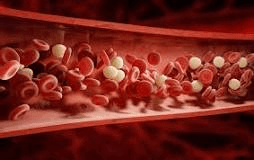
Your blood is made up of liquid and solids. The liquid part, called plasma, is made of water, salts, and protein. Over half of your blood is plasma. The solid part of your blood contains red blood cells, white blood cells, and platelets. Red blood cells (RBC) deliver oxygen from your lungs to your tissues and organs.
Blood brings oxygen and nutrients to all the parts of the body so they can keep working. Blood carries carbon dioxide and other waste materials to the lungs, kidneys, and digestive system to be removed from the body. Blood also fights infections, and carries hormones around the body.
The new group is called the Er blood group. According to a study in the journal “Blood,” there are now a total of five Er antigens in this group based on genetic variations. The blood type can cause immune cells to attack mismatched cells, which has happened in other cases where blood types are incompatible. year 2023.
Is blood is an Organ? Answer:- Blood is connective tissue, not an organ.
There are three main types of cells in your blood – red blood cells, white blood cells and platelets.
While the primary function of the platelet is thought to be hemostasis, thrombosis, and wound healing through a complex activation process leading to integrin activation and formation of a “core” and “shell” at the site of injury, other physiological roles for the platelet exist including immunity and communication .
Certain types of anemia. Viral infections (chickenpox, hepatitis C, HIV, etc.) Chemotherapy drugs. Heavy alcohol consumption….cause lessening of platelets.
Smallest cell is mycoplasma. Largest cell is neuron.
There are 4 main blood groups (types of blood) – A, B, AB and O. Your blood group is determined by the genes you inherit from your parents.
One of the world’s rarest blood types is one named Rh-null. This blood type is distinct from Rh negative since it has none of the Rh antigens at all. There are less than 50 people who have this blood type. It is sometimes called “golden blood.” It is the purest blood.
AB negative is the rarest of the eight main blood types – just 1% of our donors have it. Despite being rare, demand for AB negative blood is low and we don’t struggle to find donors with AB negative blood. However, some blood types are both rare and in demand.
Normal human RBCs have a biconcave shape, their diameter is about 7-8 µm, and their thickness is about 2.5 µm [11,12,34].
RBCs contain hemoglobin (say: HEE-muh-glow-bin), a protein that carries oxygen. Blood gets its bright red color when hemoglobin picks up oxygen in the lungs. As the blood travels through the body, the hemoglobin releases oxygen to the different body parts.
The seeds of pomegranate are packed with iron and can improve blood counts tremendously. Pomegranate is now prescribed as a fruit that has to be consumed regularly if platelet counts have to be increased.
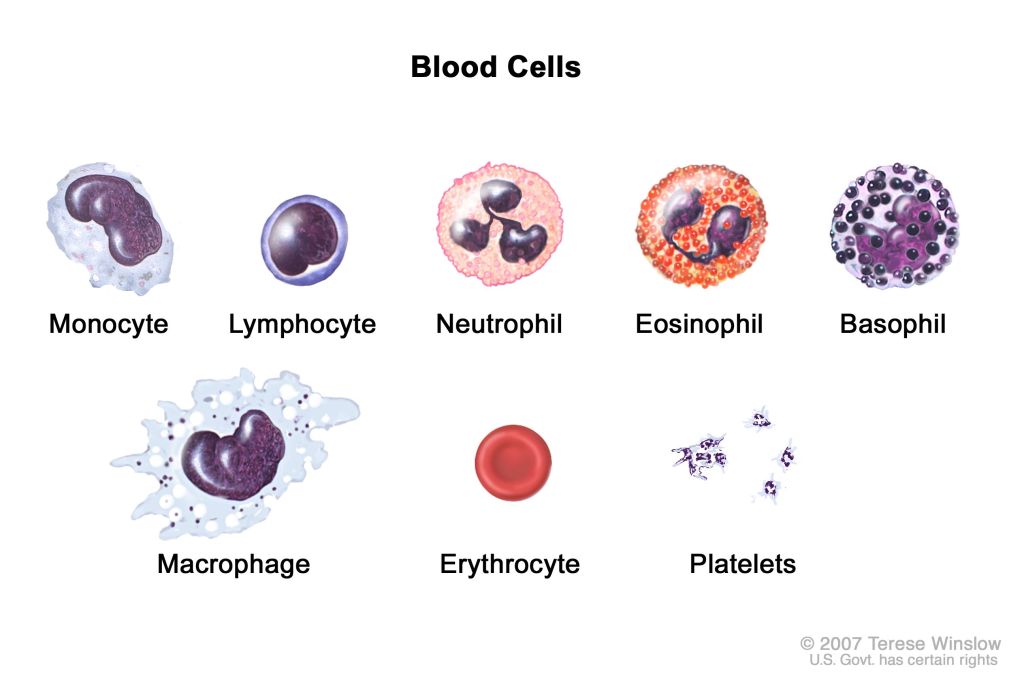
Blood contains many types of cells: white blood cells (monocytes, lymphocytes, neutrophils, eosinophils, basophils, and macrophages), red blood cells (erythrocytes), and platelets.
How many cells are in human blood? Ans: Red blood cells (RBCs) are by far the most abundant type of cell in the human body, accounting for over 80 percent of all cells. Adult humans have somewhere around 25 trillion RBCs in their body, on average.
Red blood cells transport oxygenAlso known as erythrocytes, RBCs are the most common type of cell found in the blood, with each cubic millimeter of blood containing 4-6 million cells.
Monocytes are the largest cells of the blood (averaging 15–18 μm in diameter), and they make up about 7 percent of the leukocytes.
Platelets are the smallest of the three major types of blood cells. Platelets are only about 20% of the diameter of red blood cells. The normal platelet count is 150,000-350,000 per microliter of blood, but since platelets are so small, they make up just a tiny fraction of the blood volume.
With a lifespan of about 8–10 days, platelets are continuously generated from bone marrow megakaryocytes which release platelets into the bloodstream to maintain levels of 150,000–400,000 platelets per microliter of blood.
Blood plasma is the yellow liquid component of blood, in which the blood cells in whole blood are normally suspended. The color of the plasma varies considerably from one sample to another from barely yellow to dark yellow and sometimes with a brown, orange or green tinge
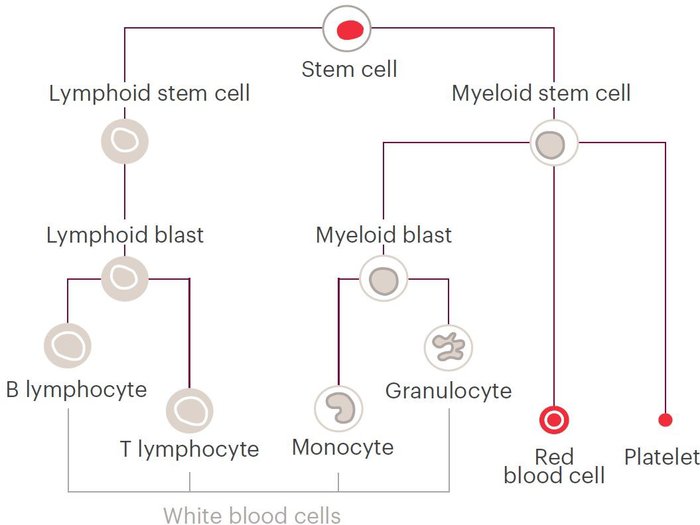
Red blood cells are formed in the red bone marrow of bones. Stem cells in the red bone marrow are called hemocytoblasts. They give rise to all of the formed elements in blood. If a stem cell commits to becoming a cell called a proerythroblast, it will develop into a new red blood cell.
Darkened blood color is often observed in critically ill patients generally because of decreased oxygen saturation, but little is known about the other factors responsible for the color intensity.
The bone marrow produces stem cells, the building blocks that the body uses to make the different blood cells – red cells, white cells and platelets.
Blood is always red. Blood that has been oxygenated (mostly flowing through the arteries) is bright red and blood that has lost its oxygen (mostly flowing through the veins) is dark red. Anyone who has donated blood or had their blood drawn by a nurse can attest that deoxygenated blood is dark red and not blue.
Blood cells are made in the bone marrow. The bone marrow is the soft, spongy material in the center of the bones. It produces about 95% of the body’s blood cells. Most of the adult body’s bone marrow is in the pelvic bones, breast bone, and the bones of the spine.
Type O negative red blood cells are considered the safest to give to anyone in a life-threatening emergency or when there’s a limited supply of the exact matching blood type. That’s because type O negative blood cells don’t have antibodies to A, B or Rh antigens.
The oldest of the blood types, Type O traces as far back as the human race itself. With primal origins based in the survival and expansion of humans and their ascent to the top of the food chain, it’s no wonder Blood Type O genetic traits include exceptional strength, a lean physique and a productive mind.
Monocytes are the largest type of WBCs while lymphocytes are smallest.
Monocytes are the largest cells of the blood (averaging 15–18 μm in diameter), and they make up about 7 percent of the leukocytes. The nucleus is relatively big and tends to be indented or folded rather than multilobed.
Smallest RBC-The granule cell of the cerebellum is the smallest cell in the body. It measures between 4 and 4.5 micrometers in length. The dimensions of the RBC were also found to be around 5 micrometers.The smallest blood cells are platelets. The diameter of platelets is only about 20% of the diameter of red blood cells. Platelets are very small irregularly shaped fragments of cytoplasm which are derived from the fragmentation of megakaryocytes of the bone marrow and then enter the circulation system.Spleen is known as the RBC graveyard. RBCs are destroyed in the spleen. In one second, approximately 2.5 million RBCs are destroyed.A “unit” of blood is 525 milliliters — about a pint. The average blood transfusion requires about three units.Red cells are stored in refrigerators at 6ºC for up to 42 days. Platelets are stored at room temperature in agitators for up to five days. Plasma and cryo are frozen and stored in freezers for up to one year.
Blood is made up of about 55% blood plasma and about 45% different types of blood cells. Blood plasma is a light yellow, slightly cloudy liquid. Over 90% of blood plasma is water, while less than 10% consists of dissolved substances, mostly proteins.
Well, there is no problem in marrying a spouse having the same blood group. In this universe, every person is born with a specific blood group – Rh positive or Rh negative. Rh negative is quite rare compared to Rh positive.Do blood transfusions change your DNA? No, receiving a donation does not alter the patient’s DNA. Interestingly, though, in most people, it is possible to detect a very small amount of the donor’s DNA in the recipient’s blood for a few days after the transfusion.
adult will have approximately 1.2-1.5 gallons (or 10 units) of blood in their body. Blood is approximately 10% of an adult’s weight.
Which blood group people are smartest? According to the study, the blood type (AB) had the highest average on the IQ test and the greatest grade point average.
Platelets, or thrombocytes, are small, colorless cell fragments in our blood that form clots and stop or prevent bleeding.
—————————————
There are 5 main Rh antigens on red cells – C, c, D, E, e.
The most important of these is the Rh D. Having the D antigen on the red cell gives you the positive (+) and lacking it gives you the negative (-) after the letter A, B, AB or O.
The D antigen is the most immunogenic, meaning it provokes an immune response that makes it most likely to cause a transfusion reaction in the recipient.
To prevent unwanted transfusion reactions and production of alloantibody, Rh D negative girls and women of child bearing potential should not be transfused with Rh D positive red cells except in an emergency.
Alloantibody produced by transfusion of Rh D positive blood to Rh D negative women, or as a result of specific events during pregnancy, can cause Haemolytic Disease of the Fetus and Newborn (HDFN).
HDFN occurs when, either during a previous transfusion or a previous pregnancy, alloantibody in the mother’s blood crosses the placenta, binding to the fetal red cells. This breaks down the fetal red blood cells causing anaemia, referred to as haemolytic anaemia.
77% of our donors have the D antigen on their red blood cells and are D positive.
The remaining 23% lack the D antigen and are D negative. (Source – NHS Blood and Transplant; Active Donor Base December 2016).
As well as D the Rh blood group system also has CE genes.
CE produces four combinations; ce, Ce, cE or CE
The most frequently occurring phenotypes of Rh CE and Rh D are Dce, cde, DCe, dCe, DcE, dcE, DCE and dCE.
Sometimes we will communicate specifically with groups of donors who have specific phenotypes such as those who have the Dce or the ‘Ro’ subtype or phenotype. While Ro blood is rare among white European people, it is much more common among black African and Afro-Caribbean people.
The Ro phenotype is over 10 times more likely to be found in individuals from a black background than individuals from a white background. It is very frequently found in patients with sickle cell disease.
Ro blood is needed for patients who have the Ro subtype. This ensures the closest possible match for patients and reduces the likelihood of them developing alloantibodies.
Alloimmunisation is exacerbated by differences in blood group distribution between patients with sickle cell disease (SCD) and the predominantly white European blood donor population.
A significant proportion of SCD and thalassaemia patients have the Ro phenotype cDe which is rare in donors of European origin. These groups of patients require ongoing blood transfusions making it important to group and type donors more extensively (extended phenotype). Transfusion of red cells for these patients should be matched for ABO, D, C, E c, e and Kell. With demand for Ro donations increasing it is important that we continue our work with the black community to ensure the number of black donors registering and donating increases.
——————————–
What is DNA?
DNA, or deoxyribonucleic acid, is the hereditary material in humans and almost all other organisms. Nearly every cell in a person’s body has the same DNA. Most DNA is located in the cell nucleus (where it is called nuclear DNA), but a small amount of DNA can also be found in the mitochondria (where it is called mitochondrial DNA or mtDNA). Mitochondria are structures within cells that convert the energy from food into a form that cells can use.
The information in DNA is stored as a code made up of four chemical bases: adenine (A), guanine (G), cytosine (C), and thymine (T). Human DNA consists of about 3 billion bases, and more than 99 percent of those bases are the same in all people. The order, or sequence, of these bases determines the information available for building and maintaining an organism, similar to the way in which letters of the alphabet appear in a certain order to form words and sentences.
DNA bases pair up with each other, A with T and C with G, to form units called base pairs. Each base is also attached to a sugar molecule and a phosphate molecule. Together, a base, sugar, and phosphate are called a nucleotide. Nucleotides are arranged in two long strands that form a spiral called a double helix. The structure of the double helix is somewhat like a ladder, with the base pairs forming the ladder’s rungs and the sugar and phosphate molecules forming the vertical sidepieces of the ladder.
An important property of DNA is that it can replicate, or make copies of itself. Each strand of DNA in the double helix can serve as a pattern for duplicating the sequence of bases. This is critical when cells divide because each new cell needs to have an exact copy of the DNA present in the old cell.
In vertebrates, the gallbladder, also known as the cholecyst, is a small hollow organ where bile is stored and concentrated before it is released into the small intestine. In humans, the pear-shaped gallbladder lies beneath the liver, although the structure and position of the gallbladder can vary significantly among animal species. It receives and stores bile, produced by the liver, via the common hepatic duct, and releases it via the common bile duct into the duodenum, where the bile helps in the digestion of fats.
The gallbladder can be affected by gallstones, formed by material that cannot be dissolved – usually cholesterol or bilirubin, a product of haemoglobin breakdown. These may cause significant pain, particularly in the upper-right corner of the abdomen, and are often treated with removal of the gallbladder (called a cholecystectomy). Cholecystitis, inflammation of the gallbladder, has a wide range of causes, including result from the impaction of gallstones, infection, and autoimmune disease.
ANATOMY
The gallbladder is a hollow organ that sits in a shallow depression below the right lobe of the liver, which is grey-blue in life.[2] In adults, the gallbladder measures approximately 7 to 10 centimetres (2.8 to 3.9 inches) in length and 4 centimetres (1.6 in) in diameter when fully distended.[3] The gallbladder has a capacity of about 50 millilitres (1.8 imperial fluid ounces).[2]
The gallbladder is shaped like a pear, with its tip opening into the cystic duct.[4] The gallbladder is divided into three sections: the fundus, body, and neck. The fundus is the rounded base, angled so that it faces the abdominal wall. The body lies in a depression in the surface of the lower liver. The neck tapers and is continuous with the cystic duct, part of the biliary tree.[2] The gallbladder fossa, against which the fundus and body of the gallbladder lie, is found beneath the junction of hepatic segments IVB and V.[5] The cystic duct unites with the common hepatic duct to become the common bile duct. At the junction of the neck of the gallbladder and the cystic duct, there is an out-pouching of the gallbladder wall forming a mucosal fold known as “Hartmann’s pouch”.[2]
Lymphatic drainage of the gallbladder follows the cystic node, which is located between the cystic duct and the common hepatic duct. Lymphatics from the lower part of the organ drain into lower hepatic lymph nodes. All the lymph finally drains into celiac lymph nodes.
The muscular system is responsible for the movement of the human body. Attached to the bones of the skeletal system are about 700 named muscles that make up roughly half of a person’s body weight.
Each of these muscles is a discrete organ constructed of skeletal muscle tissue, blood vessels, tendons, and nerves.
WHAT IS MUSCULAR SYSTEM?
The muscular system is an organ system consisting of skeletal, smooth and cardiac muscles. It permits movement of the body, maintains posture and circulates blood throughout the body. The muscular systems in vertebrates are controlled through the nervous system although some muscles can be completely autonomous.
LARGEST MUSCLE
Guteus maximus:- The gluteus maximus is the largest muscle in the human body. It is large and powerful because it has the job of keeping the trunk of the body in an erect posture. It is the chief antigravity muscle that aids in walking up stairs. The hardest working muscle is the heart.
Gluteus Maximus the largest and heaviest muscle in the body. It is the most superficial of all gluteal muscles that are located at the posterior aspect of the hip joint. This makes it the largest muscle at the hip representing 16% of the total cross-sectional area (TCSA).
LONGEST MUSCLE
The longest muscle in the body is the sartorius muscle, which runs diagonally down the thigh. It stretches from the outer side of the hip bone down to the inside of the knee bone. The sartorius can be up to 23 inches (60 centimeters) in length, according to a 2005 paper.
SMALLEST MUSCLE
Stapedius muscle is termed to be the smallest skeletal muscle in human body, which has a major role in otology. Stapedius muscle is one of the intratympanic muscles for the regulation of sound.
The smallest muscle in the human body is the stapedius, which controls the stapes in the ear. The muscles is less than 1.27 mm (0.05 in) long.


 Human Body
